As liberals seek to continue expanding the government, the myth of the success of Franklin Delano Roosevelt’s New Deal continues to grow.
In a recent opinion piece published in The New York Times, Jonathan Alter argues that President Joe Biden could be the “next FDR” by succeeding in enacting radical change to the country by passing massive spending and infrastructure bills and expanding government reach in the same vein as FDR’s New Deal.
Alter wrote, “With a few breaks and the skillful execution of what seems to be a smart legislative strategy, President Biden is poised to match F.D.R.’s stunning debut in office.
“That doesn’t require Mr. Biden to transform the country before May 1, the end of his first 100 days, the handy if arbitrary marker that Mr. Roosevelt (to the irritation of his successors) laid down in 1933. But for America to ‘own the future,’ as the president promised last month, he needs to do amid the pandemic what Mr. Roosevelt did amid the Depression: restore faith that the long-distrusted federal government can deliver rapid, tangible achievements.”
But was the New Deal as successful as liberals believe?
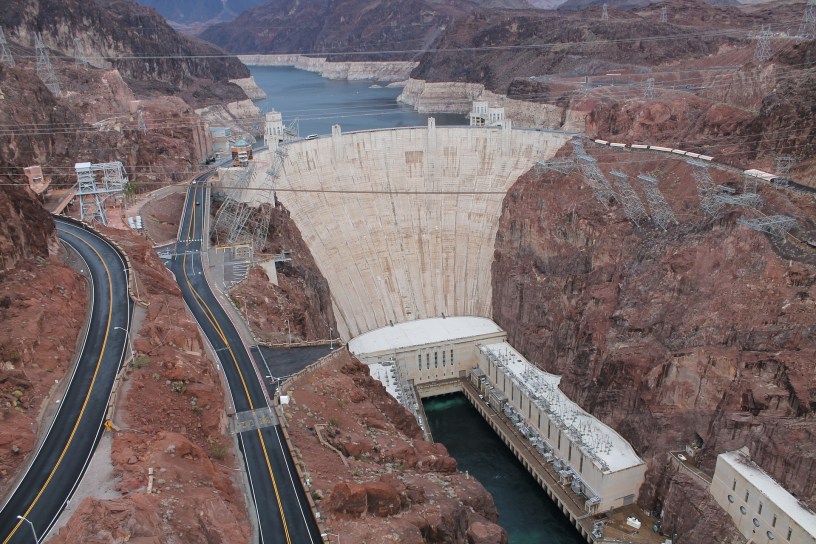
The policy may have given the country the Hoover Dam and other feats of engineering that Americans continue to rely on, but did it actually succeed in pulling the country out of the Great Depression?
The answer is no.
It was actually the Second World War that got the American economy back on track and put Americans back to work in mass.
So why are liberal so obsessed with this program and touting its achievements as if it really changed the country, and not the need for armaments and supplies to meet the threat of Germany and Japan.
It’s not just Alter. Rep. Alexandria Ocasio-Cortez’s Green New Deal, the much maligned and ridiculous plan to make the country “green” in the span of a couple of decades, also evokes the memory of FDR in order to try and convince Americans that the juvenile plan would succeed, farting cows and all.
Needless to say, the Green New Deal quickly became fodder for conservative commentators, and so should Alter’s comparisons.
Joe Biden is no FDR, and it’s likely that people will look back on his presidency and consider it a lame-duck. His gaffes aren’t “minor verbal slips,” but something that should seriously force Americans to question who is actually running the country. (Before he was elected, Biden confused his granddaughter with his deceased son Beau, and said that he served the state as a Senator. Neither Beau nor his daughter served in that role.)
But back to the New Deal.
It seems like the program is overly hyped by liberals as a fantastic program that would bring economic success to the country and used to justify outrageously expensive plans.
The Cato Institute published a report back in 2003 arguing that the New Deal not only didn’t help the country, but it in fact increased the burden on the middle class and poor, the exact people the administration supposedly wants to champion.
“The most important source of New Deal revenue were excise taxes levied on alcoholic beverages, cigarettes, matches, candy, chewing gum, margarine, fruit juice, soft drinks, cars, tires (including tires on wheelchairs), telephone calls, movie tickets, playing cards, electricity, radios — these and many other everyday things were subject to New Deal excise taxes, which meant that the New Deal was substantially financed by the middle class and poor people. Yes, to hear FDR’s ‘Fireside Chats,’ one had to pay FDR excise taxes for a radio and electricity! A Treasury Department report acknowledged that excise taxes “often fell disproportionately on the less affluent…”
“New Deal taxes were major job destroyers during the 1930s, prolonging unemployment that averaged 17%. Higher business taxes meant that employers had less money for growth and jobs. Social Security excise taxes on payrolls made it more expensive for employers to hire people, which discouraged hiring.”
This conclusion was reached by economists in major institutions across the country, but in this political climate, this argument would likely be suppressed now.
The Cato report even argues that FDR took funds away from the highly economically depressed South and gave it to “swing states” in order to court those votes for the next election.
It raises the question, was the New Deal really about saving the country and helping those in difficult economic situations, or trying to secure power for the next several years? At the end of the day, the New Deal and other programs like it aren’t wholly altruistic, as Democrats, liberals and progressive often claim.
But in order to get their way, those on the Left end of the political spectrum push this narrative in the hopes that most Americans will be too ignorant to realize that the basis of their argument is full of pork, much like the COVID spending plan passed earlier this year.
So, is Joe Biden the next FDR? The answer is no. He’s just another Washington politician more interested in securing his next victory than helping the American people.
 History with Brittany